The Story Behind Lehman Brothers
📅 2026 Update: Changes in Retirement Rules and Consumer Finance
Since the original article about Lehman Brothers was written, several important changes have occurred in U.S. personal finance laws, especially in retirement savings and consumer protections. These changes include new regulations from the SECURE 2.0 Act, which impact how individuals manage their retirement accounts, as well as updates on penalties and withdrawal options. The earlier article continues further down the page.
📈 SECURE 2.0 Act Changes
The SECURE 2.0 Act brought major updates to retirement savings rules. One significant change is the increase in the Required Minimum Distribution (RMD) age. For those born between 1951 and 1959, the RMD age is now 73, while individuals born in 1960 or later will start at 75.
This change allows more time for retirement savings to grow.
- 🔑 RMD Penalty Reduction: The penalty for missing an RMD decreased from 50% to 25% of the RMD amount. If the error is corrected within two years, the penalty drops even further to 10% for IRAs.
🏦 Roth 401(k) Updates
Starting in 2024, individuals will no longer need to take RMDs from their Roth accounts in employer retirement plans like 401(k)s and 403(b)s. This allows for greater flexibility in managing retirement funds without worrying about mandatory withdrawals.
💰 Catch-Up Contribution Increases
From January 1, 2025, individuals aged 60 to 63 can now make catch-up contributions of $11,250 to eligible retirement plans. This is an increase from the previous limit of $8,000, providing more opportunities to boost retirement savings as individuals get closer to retirement.
🎓 New 529-to-Roth IRA Rollovers
Beginning in 2024, individuals can roll over up to $35,000 from 529 college savings plans to a Roth IRA. This offers a way to utilize unused education savings for retirement, which can be beneficial for families with leftover funds.
📌 Key Points
- 🔹 RMD age raised to 73 or 75 depending on birth year.
- 🔹 RMD penalties reduced significantly for missed distributions.
- 🔹 Roth 401(k) accounts exempt from RMDs starting in 2024.
- 🔹 Catch-up contributions increased for older individuals.
- 🔹 New rollover option from 529 plans to Roth IRAs.
💡 Tips for Understanding Retirement Options
Reviewing your personal situation with an attorney is essential to understand how these changes affect you.
📊 Understand RMD Rules
Know the new RMD rules based on your birth year. Individuals born between 1951 and 1959 must take RMDs starting at age 73, while those born in 1960 or later must start at age 75.
📅 Plan for Penalties
Be aware of the reduced penalties for missing RMDs. The penalty has decreased from 50% to 25% and drops to 10% if corrected within two years for IRAs. This can save you money if you make an error.
📈 Maximize Catch-Up Contributions
If you are aged 60 to 63, take advantage of the increased catch-up contribution limit of $11,250 starting in 2025. This is a valuable opportunity to boost your retirement savings as you approach retirement.
🌱 Consider Roth IRA Options
Explore the new option to roll over 529 college savings into a Roth IRA. This could allow you to make the most of any unused education funds for your retirement planning.
💡 Employer Student Loan Matching
If you are repaying student loans, check if your employer offers matching contributions based on your loan payments. This could help you build your retirement savings while paying off debt.
❓ Frequently Asked Questions
🤔 What is the new age for RMDs?
Individuals born between 1951 and 1959 must start RMDs at age 73, while those born in 1960 or later begin at age 75, per the SECURE 2.0 Act.
💸 How much can I withdraw for emergencies from retirement accounts?
Starting in 2024, individuals can withdraw up to $1,000 per year from retirement accounts for emergencies without the 10% early withdrawal penalty.
🎓 Can I transfer funds from a 529 plan to a retirement account?
Yes, individuals can roll over up to $35,000 from 529 college savings plans to a Roth IRA starting in 2024, under certain conditions.
🏦 What if I miss taking my RMD?
The penalty for failing to take an RMD has decreased from 50% to 25% of the RMD amount. If corrected within two years, the penalty further reduces to 10% for IRAs.
📈 What are catch-up contributions?
Catch-up contributions allow individuals aged 60 to 63 to contribute an increased amount of $11,250 to eligible retirement plans starting January 1, 2025.
🏢 How do employers help with student loan payments?
As of 2024, employers can treat qualified student loan payments as retirement contributions, allowing matching contributions based on those payments.
⚖️ Recent Court Cases Affecting Consumer Finance
Recent court rulings have influenced aspects of consumer finance and retirement planning. These decisions can impact how financial institutions operate and how individuals manage their retirement accounts.
- Georgia Court Denies Appeal in Beckford vs. US Bank Trust CaseCourt of Appeals of Georgia · September 1, 2026
- Ohio court dismisses inmate's request for jail-time creditOhio Court of Appeals · August 28, 2026
- Hawaii court denies reconsideration in Choi v. Central Pacific BankHawaii Intermediate Court of Appeals · September 3, 2026
- Indiana Court Rules in Favor of Student in Debt Collection CaseIndiana Court of Appeals · September 30, 2026
For more information, you can browse more rulings on the news page.
End of October 2026 Update
What is Lehman Brothers?
• Lehman Brothers was a global financial services firm that declared bankruptcy in the wake of the 2008 financial crisis. Before the economy experienced a precipitous drop, Lehman brothers was the fourth largest investment bank in the United States. Primarily focused on investment banking, fixed-income and equity sales, market research, investment management, private banking, trading and private equity, Lehman Brothers went insolvent as a result of overexposure to toxic real estate holdings.
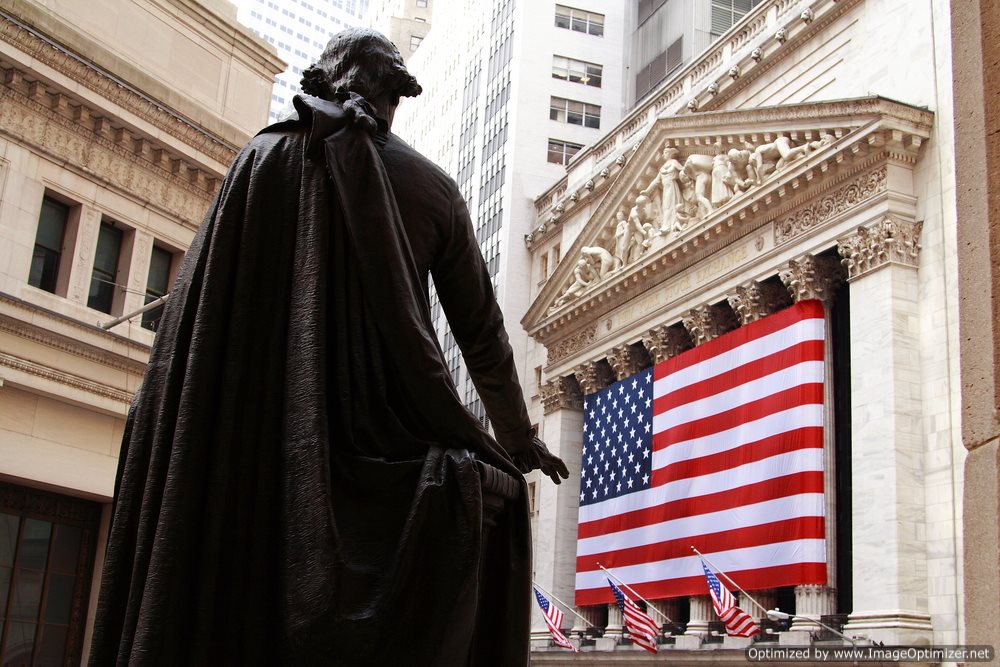
• In September of 2008, Lehman Brothers, led by CEO Dick Fuld, filed for Chapter 11 bankruptcy protection. The former investment giant was forced into liquidation following a severe devaluation of the firm’s assets by credit rating agencies and the subsequent mass exodus of clients. The filing, as a result of the firm’s assets under management, marked the largest bankruptcy in United States history.
Specifics Surrounding the Lehman Brothers Collapse:
• In August of 2007, Lehman Brothers was forced to close its primary subprime lending branch, BNC Mortgage, as a result of poor economic conditions in the real estate sector. In the following year, Lehman faced an unprecedented loss when the firm decided to hold its substantial position in low-rated mortgage tranches and subprime sectors. Although the firm stopped lending, its exposure in the preceding years was simply too great—Lehman Brothers reported losses of $2.8 billion in the second fiscal quarter of 2008.
• In the first half of 2008, Lehman Brother’s stock plummeted by almost 75% of its value as the credit market tightened in response to the bursting of the real estate bubble. The stock continued to fall; Lehman announced a loss of nearly $4 billion in September of 2008. During this time, Lehman Brothers was doing its best to find a buyer of the firm’s toxic portfolio and investment banking branch. Although companies such as Barclays and investors from Asia were interested, an agreement to purchase Lehman Brothers was never affirmed.
The Lehman Brother’s Bankruptcy Case:
• Amidst talks with Bank of America and Barclays concerning the possible purchase of Lehman Brothers, Timothy Geithner, president of the Federal Reserve Bank of New York, called a meeting regarding the future of Lehman and the possibility of an emergency liquidation of the firm’s assets on September 13th of 2008.
• Around midnight on September 15th of 2008, Lehman Brothers announced it would file for Chapter 11 bankruptcy protection, citing a bank debt of $613 billion, bond debts of $155 billion and assets worth approximately $639 billion. A group of banks and Wall Street firms agreed to provide financial assistance and capital for an orderly liquidation of Lehman Brothers and in turn, the Federal Reserve, agreed to swap lower-quality assets in exchange for loans from the United States Federal Government.
• On September 16th of 2008, Barclays announced that they would acquire a portion of Lehman for $1.75 billion, including the majority of Lehman’s North America Operations.