London Stock Exchange: An Overview
📅 2026 Update: Key Changes in Retirement Savings and Consumer Finance
Since the original article was published, several important changes have been made in retirement savings and consumer finance law. These changes affect how individuals manage their retirement accounts, student loans, and emergency withdrawals. Readers can find more detailed information in the original article further down the page.
📈 SECURE 2.0 Act Updates
The SECURE 2.0 Act has introduced several significant changes to retirement savings. The Required Minimum Distribution (RMD) age now starts at 73 for individuals born between 1951 and 1959, and will increase to 75 for those born in 1960 or later by 2033. This shift allows individuals to keep their retirement savings invested longer.
- 🔄 RMD Penalty Reduction: The penalty for missing an RMD has been reduced from 50% to 25%. If the missed RMD is corrected within two years, the penalty can drop further to 10% for IRAs.
🏦 New Withdrawal Rules
Starting in 2024, individuals can withdraw up to $1,000 per year from their retirement accounts for emergencies without facing the 10% early withdrawal penalty. This option helps individuals manage unexpected financial challenges while allowing them to repay the amount within three years.
- 💰 Emergency Withdrawals: The new rule aims to provide more flexibility for those needing quick access to funds without heavy penalties, making it easier to cover urgent expenses.
📚 529-to-Roth IRA Rollovers
Beginning in 2024, individuals can roll over up to $35,000 from 529 college savings plans to a Roth IRA. This change allows families to use leftover college savings for retirement, providing more options for managing education and retirement funds.
🎓 Student Loan Payment Matching
Starting in 2024, employers can treat qualified student loan payments as retirement contributions for matching purposes. This allows employees to receive matching contributions based on their student loan payments, helping them build retirement savings while repaying debts.
📌 Key Points to Remember
- ✅ RMD age raised to 73 and 75 in the SECURE 2.0 Act.
- ✅ Penalties for missing RMDs reduced significantly.
- ✅ Emergency withdrawals up to $1,000 allowed without penalties.
- ✅ Roll over $35,000 from 529 plans to Roth IRAs starting in 2024.
- ✅ Employers can match student loan payments as retirement contributions.
💡 Tips for Managing Your Retirement and Finances
Reviewing your financial situation with an attorney is important for understanding your options and obligations.
🔍 Understand RMD Requirements
If you are turning 73 or 75, know when to start taking your RMDs based on your birth year. Missing these deadlines can lead to steep penalties.
📈 Take Advantage of Catch-Up Contributions
Individuals aged 60 to 63 can make catch-up contributions of $11,250 starting in 2025. This allows you to boost your retirement savings as you approach retirement.
🏦 Compare Retirement Plan Fees
Evaluate the fees associated with your 401(k) and IRA plans. Some plans may charge high fees that could eat into your savings. Transitioning to a lower-fee IRA might be beneficial.
📅 Use Emergency Withdrawal Options Wisely
Consider using the new $1,000 emergency withdrawal option if you face unexpected expenses. This can help you avoid debt while still preserving your retirement funds.
🚀 Leverage Student Loan Matching
If your employer offers student loan matching contributions, take advantage of this benefit. It can help you build your retirement savings while managing student debt.
❓ Frequently Asked Questions
🤔 What happens if I miss my RMD deadline?
If you miss your RMD deadline, you may face a penalty of 25% of the amount you should have withdrawn. It’s important to correct this as soon as possible to minimize penalties.
📅 Can I withdraw from my retirement account for emergencies?
Yes, starting in 2024, you can withdraw up to $1,000 per year from your retirement account for emergencies without the 10% early withdrawal penalty.
🎓 How does the 529-to-Roth IRA rollover work?
Individuals can roll over up to $35,000 from a 529 college savings plan to a Roth IRA starting in 2024, subject to certain conditions. This allows for more flexible use of education funds.
📈 What are catch-up contributions?
Catch-up contributions allow individuals aged 60 to 63 to contribute an increased amount to their retirement plans—$11,250 starting in 2025—to help boost savings as retirement nears.
🏦 Are there penalties for failing to take an RMD?
Yes, the penalty for failing to take an RMD has decreased to 25% under the SECURE 2.0 Act. If you correct the missed RMD within two years, the penalty can drop to 10% for IRAs.
📞 Where can I get help with retirement planning?
You can access resources from the Consumer Financial Protection Bureau (CFPB), the Department of Labor (DOL), and the National Endowment for Financial Education (NEFE) for guidance on retirement planning and consumer rights.
⚖️ Recent Court Cases Impacting Retirement and Consumer Finance
Recent court rulings have influenced retirement savings and consumer finance laws, particularly regarding fiduciary responsibilities and investment advice. These decisions can affect how financial professionals manage retirement accounts.
- Ohio Court Reverses Ruling in Consumer Sales CaseOhio Court of Appeals · May 29, 2026
- Florida court dismisses appeal in foreclosure case Langley v. Deutsche BankDistrict Court of Appeal of Florida · May 29, 2026
- Texas Supreme Court rules on home equity loan forfeitureTexas Supreme Court · May 29, 2026
- Florida court upholds ruling in Kish v. JPMorgan Chase BankDistrict Court of Appeal of Florida · May 29, 2026
You can browse more rulings on the news page for updates on recent cases impacting these areas.
End of October 2026 Update
What is the London Stock Exchange?
• The London Stock Exchange is a marketplace where investors come together to buy and sell stocks and other investment securities. Located in London, England the London Stock Exchange, as of December of 2010, has a market capitalization of roughly $3.65 U.S. dollars—a figure that makes the London Stock Exchange the fourth-largest exchange in the world.
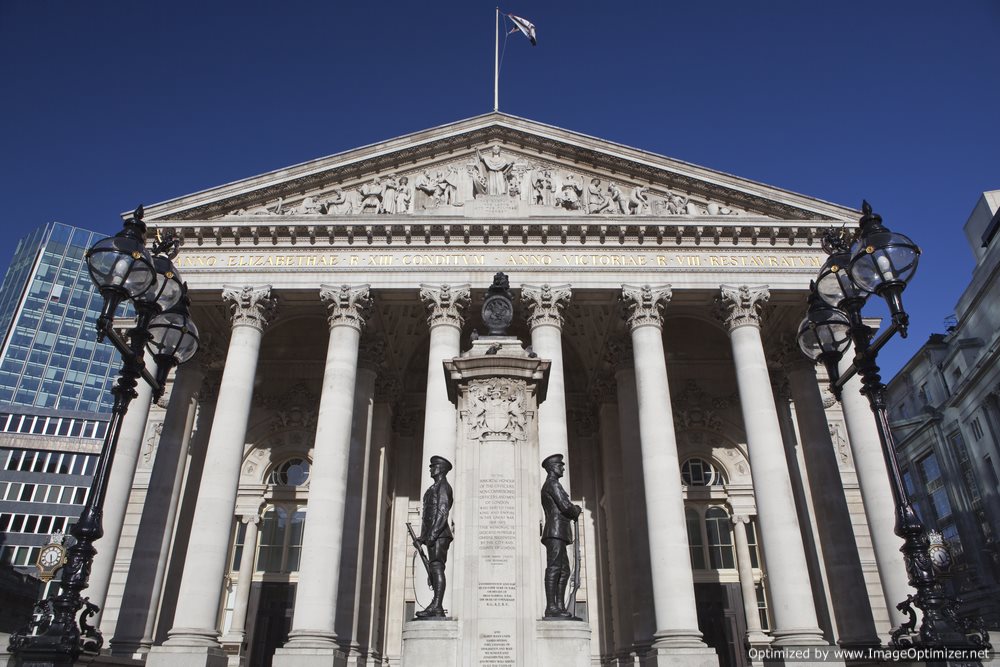
History of the London Stock Exchange:
• The premise of the London Stock Exchange and investing in general arose when the need to finance war efforts and voyages became paramount. To reach China via the White and sea and for the East India Company to travel to India and east, the trading of stocks was utilized to spark business and fuel the economy. Unable to finance such lofty journeys in the private sector, English companies raised money by selling shares to merchants and wealthy citizens, giving these individuals a right to a portion of any profits they eventually made.
• This idea of investing in a company quickly caught on; by 1695, England featured 140 joint-stock companies. During this time, the trading was centered in the City’s Change Alley, where investors and corporate executives would gather in coffee shops to exchange and affirm share purchases. To streamline the growing the operation the London Stock Exchange evolved and moved to its current premise, satiated in Paternoster Square near St. Paul’s Cathedral in downtown London.
• In December of 2005, the London Stock Exchange rejected a 1.6 billion Euro takeover offered from the Macquarie Bank. Shortly after this rejection, the London Stock Exchange received an unsolicited offer from NASDAQ, which valued the London Stock Exchange at approximately 2.4 billion Euros. This offer (and additional offers by NASDAQ in the upcoming years), although significantly higher, was rejected yet again. That being said, a few weeks after the second rejection for a purchase, the London Stock Exchange’s largest investor sold 35.4 million shares at 11.75 pounds per share to Ameriprise Financial. NASDAQ also purchased a large chunk of the London Stock Exchange following this transaction; the London Stock Exchange was always a target for purchase in order to limit the Exchange’s strategic flexibility.
• In February of 2011, the London Stock Exchange announced that they had agreed in principal to merge with the TMX group—the parent company of the Toronto Stock Exchange. This proposed deal would create an entity with a market capitalization of listed companies equal to nearly 4 trillion U.S. Dollars.
Hours of Operation and Products offered by the London Stock Exchange:
• The London Stock Exchange has four primary areas: Equity Markets, Trading Services, Information Services and Derivatives. The London Stock Exchange’s normal trading hours are from 8:00 am to 4:30 pm every day of the week except holidays and weekends declared by the Exchange in advance. As of December of 2010, the London Stock Exchange is home to 2,713 companies.