Everything to Know about Treasury Bills
📅 2026 Update: Key Changes in Treasury Bills and Investment Funds
Since the article was written, there have been important updates regarding investment regulations and mutual funds in the U.S. The Investment Company Act of 1940 still governs investment companies, and there have been no significant amendments to this law up to October 2026. The earlier article continues further down the page, providing foundational information on treasury bills.
💵 Current Fees and Costs
Fidelity Investments' Contrafund, the largest equity mutual fund in the U.S., now manages over $70 billion in assets as of January 12, 2024. However, specific fee structures for this fund are not detailed in available sources. Vanguard Group manages nearly $2 trillion in assets and requires an initial investment of at least $3,000 for its mutual funds.
📃 Forms and Steps to Invest
Individuals interested in investing in Vanguard mutual funds need to complete a new account application. This application can be found on Vanguard’s website or obtained via phone. Steps for investing may vary, so it’s essential to follow the procedures outlined by the company.
⏰ Processing Times
Currently, there are no specific processing times available for Vanguard mutual fund investments. This lack of information may affect how quickly investors can expect their transactions to be completed.
🏦 Eligibility Rules
Fidelity Investments' Contrafund is open to both institutional and individual investors. Similarly, Vanguard mutual funds are accessible to both types of investors, but they do require an initial investment of at least $3,000.
📌 Summary of Key Points
- Fidelity's Contrafund manages over $70 billion in assets.
- Vanguard requires an initial investment of $3,000 for mutual funds.
- No significant changes in the Investment Company Act of 1940 have occurred.
- Specific processing times for Vanguard investments are not available.
- Both Fidelity and Vanguard serve individual and institutional investors.
💡 Tips for Investing in Treasury Bills and Mutual Funds
It is crucial to review your specific financial situation with an attorney to understand the implications of investments.
📈 Understand Investment Requirements
Before investing in Vanguard mutual funds, know the initial investment requirement is $3,000. This amount is necessary to open an account and start investing.
🏦 Explore Fidelity's Offerings
Fidelity Investments offers a range of financial services, including mutual funds and retirement planning. These services can help you manage your investments and financial goals.
📚 Research SEC Resources
The Securities and Exchange Commission (SEC) provides valuable resources and guidance on mutual funds and investing. Reviewing these materials can help you make informed decisions.
📅 Keep Track of Deadlines
While specific deadlines for investing in Vanguard mutual funds are not detailed, it's essential to stay informed about any updates from the company regarding investment timelines.
🔍 Review Company Performance
When considering investments, check the performance and ratings of companies like Fidelity and Vanguard. Understanding their track record can help you choose the right investment options.
🏆 Fidelity and Vanguard: Ranked by User Reviews (2026)
This section looks at the services offered by major investment firms relevant to treasury bills and mutual funds. The order is based on Trustpilot data collected in October 2026. It's important to note that star ratings reflect customer opinions, and unhappy customers often leave more reviews, which may affect the overall score.
🥇 1. Fidelity Investments
Fidelity Investments has been rated 1.3 on Trustpilot. This company offers a variety of services, including mutual funds and retirement planning, making it relevant for those interested in treasury bills. However, it has a low TrustScore, with a high percentage of 1-star reviews indicating customer dissatisfaction.
🥈 2. Charles Schwab
Charles Schwab holds a Trustpilot score of 1.5. Known for its investment services and financial consulting, Schwab is another option for those looking to invest in treasury bills or mutual funds. Like Fidelity, it has a low TrustScore and a significant number of negative reviews.
🆓 Free Government Resources
The Securities and Exchange Commission (SEC) offers free resources and guidance on investing, including insights into mutual funds. These resources can help investors understand their options and make better financial decisions.
🔎 What to Compare When Choosing Investment Services
- 📊 Check Trustpilot scores to gauge customer satisfaction.
- 💰 Review initial investment requirements for different funds.
- 🔍 Investigate fee structures associated with mutual funds.
- 🏦 Assess the range of services provided by each company.
- 📅 Stay updated on any changes in regulations or company policies.
❓ Frequently Asked Questions
❓ What are treasury bills?
Treasury bills are short-term government securities that the U.S. Department of the Treasury issues. They are sold at a discount and do not pay interest but provide a return when they mature at face value.
💡 How can I invest in treasury bills?
Investing in treasury bills can be done directly through the U.S. Treasury website or indirectly through a broker. You can purchase them in various denominations with different maturities.
📈 What are the risks associated with treasury bills?
Treasury bills are generally considered low-risk investments because they are backed by the U.S. government. However, they can be affected by interest rate changes, which may influence their market value.
💵 Are treasury bills a good investment strategy?
Whether treasury bills are a good investment depends on your financial goals and risk tolerance. They provide stability and liquidity, making them suitable for conservative investors.
📅 How do I track my treasury bill investments?
You can track your treasury bill investments through your brokerage account or the U.S. Treasury's website. They provide information on account balances and transaction history.
🏦 What are the tax implications of treasury bills?
Interest earned on treasury bills is exempt from state and local taxes but is subject to federal income tax. It's important to consider these tax implications when investing.
⚖️ Recent Court Cases Related to Investments
Recent court rulings have addressed various issues involving investment companies, which could impact treasury bills and mutual funds. These rulings may shape how investment firms operate and how investors are protected.
- New York court rules against Apex Bank in foreclosure caseAppellate Division of the Supreme Court of the State of New York · July 1, 2026
- Court rules on Apex Bank foreclosure case, denies fees to defendantsAppellate Division of the Supreme Court of the State of New York · July 1, 2026
- Michigan Court of Appeals rules on jail credit, fees in drug caseMichigan Court of Appeals · July 30, 2026
- Texas Court rules against man seeking arbitration with bankTexas Court of Appeals, 2nd District (Fort Worth) · July 30, 2026
For more recent rulings, feel free to browse more rulings on the news page.
End of October 2026 Update
What are Treasury Bills?
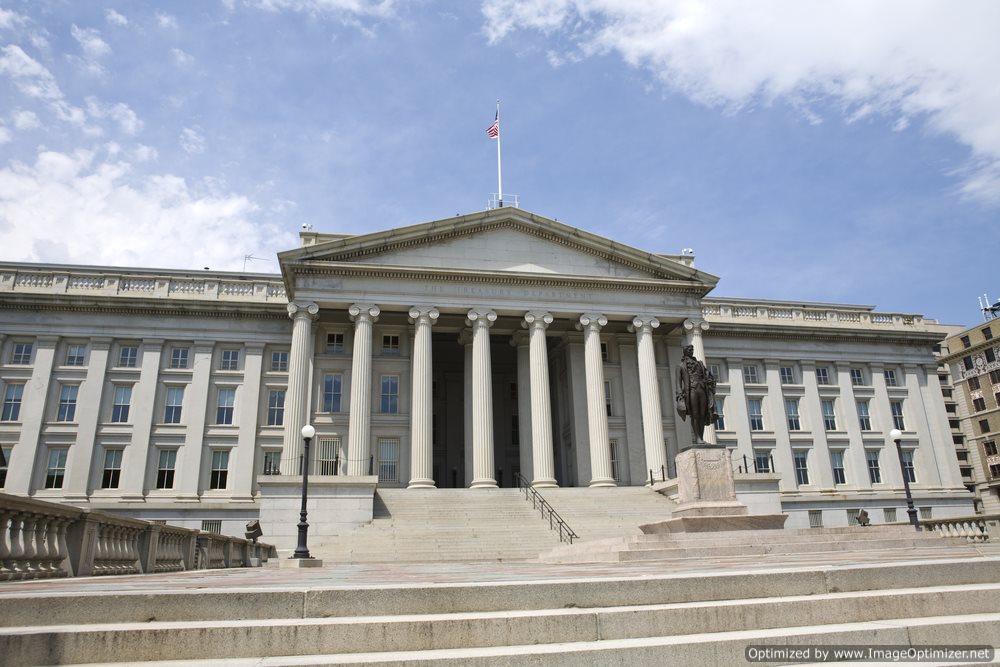
• A Treasury Bill, often referred to as a T-Bill, is a type of investment security issued by the United States Treasury through the Bureau of Public Debt. Along with an assortment of fixed-income instruments, a Treasury Bill is used to finance the United States Government’s delivery of public services, defense costs and federal programs. In essence, a T-Bill is a loan, enacted by the United States Federal Government; the Government offers T-bills to the public, at a discount, for funds that are guaranteed to be repaid at a later date.
• All Treasury Bills possess a short maturity date; typically less than one year. When the Bill reaches its maturity date the holder may redeem the bill for full face value plus a small percentage gain. The purchase price of the Treasury Bill serves as a temporary loan to the United States Government, which will return the Treasury Bill, plus a small percentage profit, when it matures.
Denominations and Characteristics of a Treasury Bill:
• The smallest face value for a Treasury Bill is $1,000 US Dollars; a Treasury Bill is sold at a discount, which is determined by the Bureau of Public Debt. Regardless of the discount rate, the United States Treasury Department will pay the full face value of the Treasury Bill when it is redeemed.
• Regular weekly Treasury Bills are issued with maturity dates of roughly 1 month, 3 months, six months or one year. Treasury Bills are sold by single-price auctions held weekly by the Government. Offering amounts for 3 month and 6 month Treasury Bills are announced each Thursday for auction at roughly 11:30 a.m.
• For example, an investor may purchase a 90-day Treasury Bill for $920 and earn an $80 return when the Treasury Bill is redeemed. Dissimilar to a number of investment options, a Treasury Bill does not bear any interest. The Treasury Bill; however, is always sold at a discount and its redemption is guaranteed by the United States government. As a result, the Treasury Bill is regarded as one of the most conservative investment vehicles available.
• When compared with other government (particularly the Treasury) investment securities, the Treasury Bill matures much more quickly; this rapid turnover of investment is not felt with Treasury Notes (maturity date of two to ten years) or Treasury Bonds, which can take 10 to 30 to mature.
Who Purchases Treasury Bills?
• Treasury bills are made available to private investors and institutional investors in the United states. Once purchased from the United States Treasury, a T-bill can be sold or traded before it reaches its maturity date. As a result of this characteristic, a number of investors purchase treasury bills on the secondary market, from banks or other financial institutions who previously purchased the fixed-income investment.